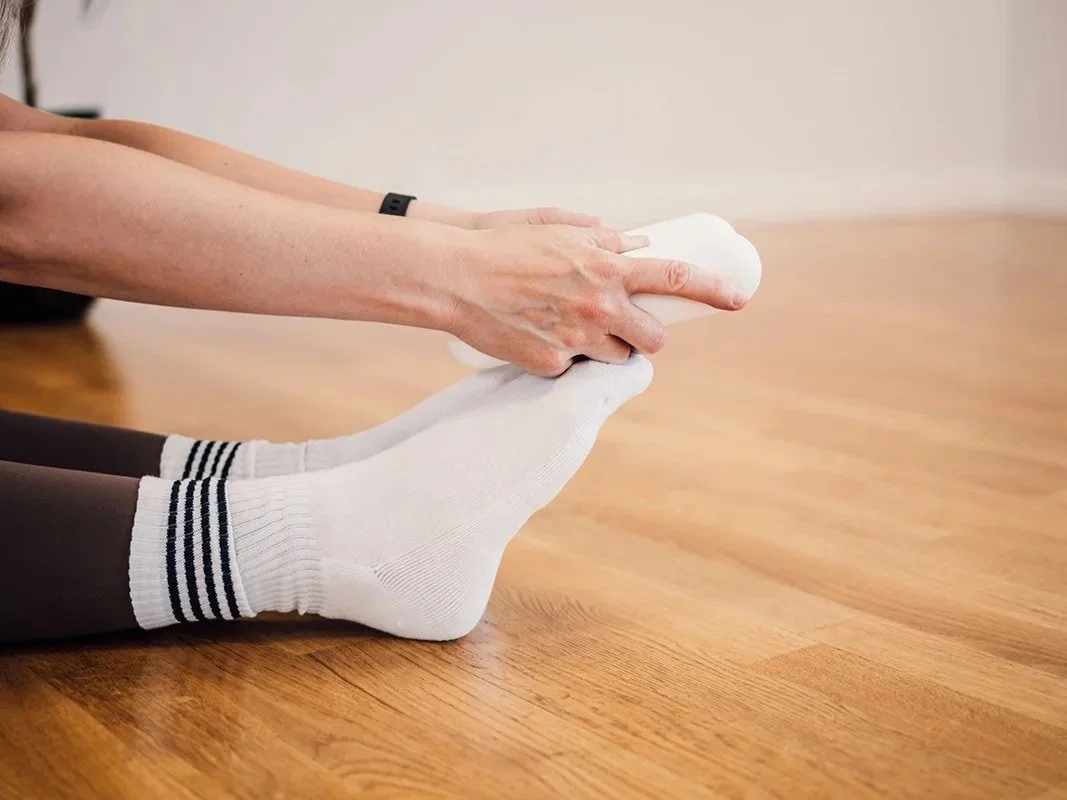
Why Grip Strength Matters: More Than Just Hand Power
There is lots of evidence about the links between grip strength, shoulder function/injury, and lifespan — read on to find out what the research says, how the associations work, and what they do (and don’t) tell us.
Grip strength is typically measured with a hand dynamometer, a device that records the maximum force you can squeeze with your hand. At first glance it seems like a niche test — useful for the likes of rock climbers etc — but over the past two decades researchers have uncovered something far more important: grip strength is strongly linked with overall health, functional capacity, and long-term outcomes like mortality.
1. Grip Strength as a Predictor of Lifespan
A Powerful Biomarker of Health
Multiple large population studies consistently show that lower grip strength is associated with higher risk of death from all causes — including heart disease, respiratory disease, cancer, and more. In one large US study, each 5 kg drop in grip strength was associated with a significant increase in all-cause mortality risk.
In another long-term study of nearly half a million people, weaker grip strength was linked to:
Higher overall mortality
Higher risk of death from cardiovascular disease
Higher risk of respiratory disease and certain cancers
(compared with stronger individuals)
Grip strength even outperformed traditional risk factors like systolic blood pressure in predicting death in a large international study, meaning it captures aspects of overall physiological reserve better than many standard measures.
Why Is This the Case?
Grip strength is more than just hand power — it’s a proxy for total-body muscle strength, neuromuscular health, metabolism, immune response, vascular function, and biological ageing. Modern interpretations frame it as a biomarker of ageing and overall system robustness – sometimes called an “all-systems check.”
In practical terms:
People with stronger grip strength tend to maintain independence longer
They are less likely to suffer disabling falls
They generally have better mobility, cardiovascular health, and brain function (all factors linked to better lifespan and quality of life)
2. Grip Strength and Shoulder Function: The Musculoskeletal Link
While grip strength’s links with general health and longevity are strong, researchers have also looked at its relationship with shoulder function and injury risk, especially in sports and orthopaedics.
Grip Strength Correlates With Shoulder Rotator Function
One clinical study found that grip strength was strongly correlated with the strength of the shoulder’s lateral rotator muscles, which are central to rotator cuff function (a common site of shoulder injury).
This doesn’t mean a weak grip causes a shoulder injury — but it suggests that grip strength reflects the coordinated strength of muscles and neural recruitment patterns up the kinetic chain:
Your shoulder stabilises the arm as force travels down into the hand
A strong grip often coexists with robust shoulder stabilisation and rotator cuff recruitment
This linkage may help explain why clinicians sometimes use grip strength as a quick functional check in shoulder assessments
Clinical Insight: Preoperative Grip Strength Predicts Shoulder Outcomes
In the context of surgery, research shows that higher baseline grip strength is linked with better early recovery of shoulder function after procedures like rotator cuff repair — again suggesting that grip strength is a marker of overall muscular health and readiness.
3. Correlation vs Causation: A Critical Distinction
It’s important to underline what the science does and doesn’t show:
What We Know
✔ Strong grip strength is a robust predictor of lifespan and health outcomes across large populations.
✔ Grip strength correlates with general muscular and neuromuscular health and functional capacity.
✔ Grip assessments can offer practical insight into someone’s functional status and physical resilience.
What We Don’t Know for Certain
➤ Whether improving only grip strength directly increases lifespan is not established — it may instead reflect the benefits of broader strength and fitness.
➤ A weak grip isn’t necessarily a cause of shoulder injury — it often reflects broader weakness or poor muscular coordination.
(Scientists debate whether grip is a direct causal mechanism or an indicator of global strength and lifestyle factors.)
In other words: grip strength tells us something very important about health, but it’s most useful when viewed in the context of wider physical fitness and lifestyle — not in isolation.
4. Practical Takeaways
Assess your grip strength regularly as part of overall functional checkups, especially as you age.
Train whole-body strength, not just hand squeezes — because grip strength tends to reflect systemic strength.
Grip measurement is simple, inexpensive, and may flag early signs of declining muscle health or broader physiological stress.
A stronger grip correlates with a healthier body and potentially longer life — but doesn’t guarantee it.
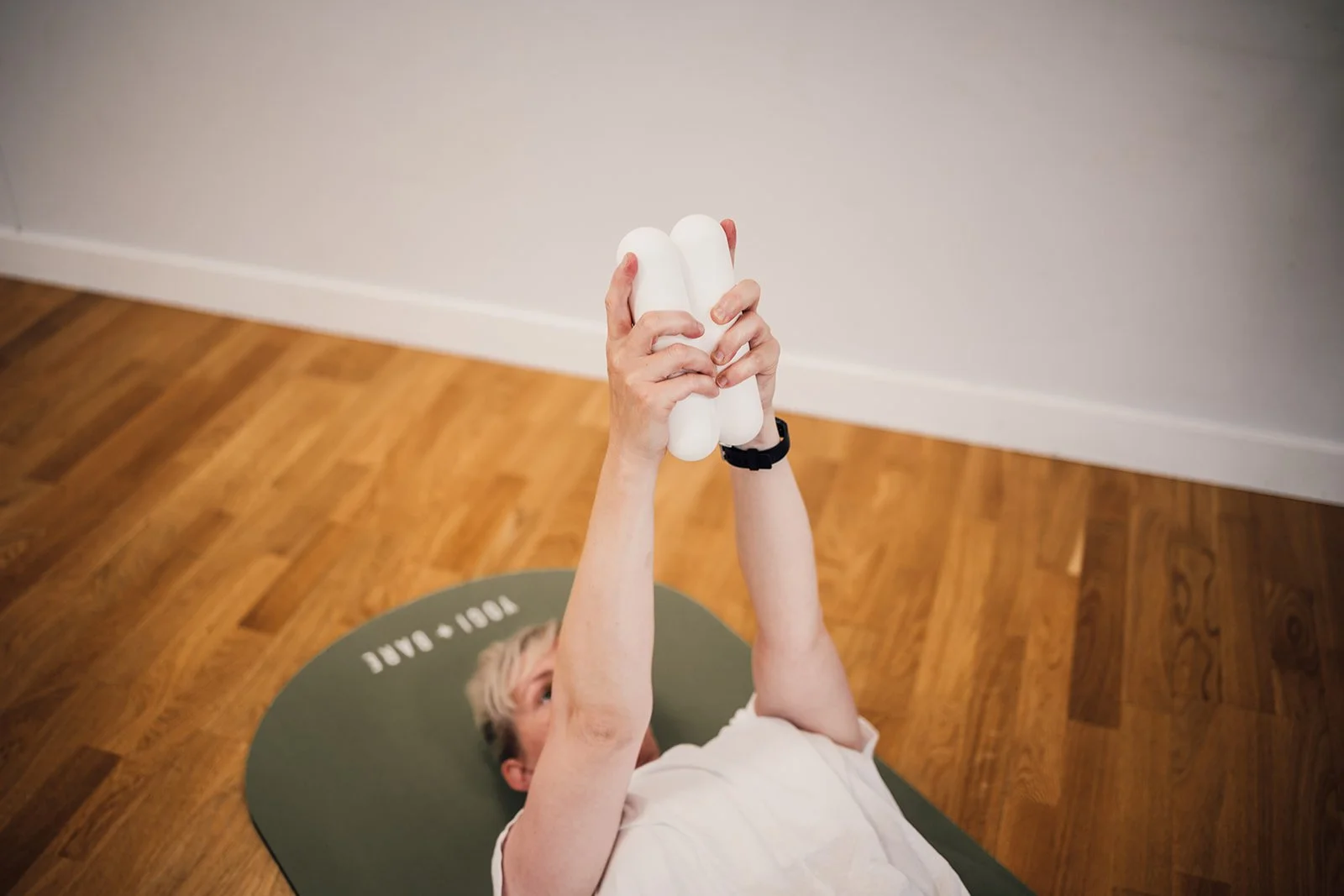
I personally like to do quick 5 minute sessions during the day using my grip tool (linked below). Following the “exercise snacking” strategy (which is to slot little bits of exercise here and there into your day) means you are far more likely to actually do it rather than if you have to dedicate a big chunk of time to doing it. It’s also something that can be done at your desk, on a conference call etc.

£6.99 from amazon - click here for the link
Summary
Grip strength has emerged from obscurity to become one of the most studied functional markers in health science. It’s a surprisingly powerful predictor of life expectancy and functional health because it reflects muscle, nerve, and physiological system integrity. Moreover, its correlation with shoulder function suggests it’s also tied to musculoskeletal health. While we shouldn’t oversimplify by saying “a stronger grip causes longer life,” research clearly shows that a weak grip often signals underlying vulnerability — and that’s valuable information for anyone interested in healthspan and wellbeing.